





A recent report by Ronald Siliņš, published on July 10, 2026, highlighted discrepancies regarding the projected scale of Rail Baltica, particularly concerning passenger volume and operational metrics. The report noted that initial predictions for the line included 3.4 million passengers annually in 2011, contrasting this with a figure of 53 million cited in other contexts. These figures have prompted questioning regarding the underlying data methodology.
During a program on Rīta panorāma TV, Prime Minister Andris Kulbergs questioned the 53 million passenger projection for 2050. Kulbergs argued that the core issue lies in the unit of measurement, suggesting that the project analysis may be quantifying the number of trips rather than the actual number of passengers. Furthermore, the discussion touched upon operational speed capabilities.
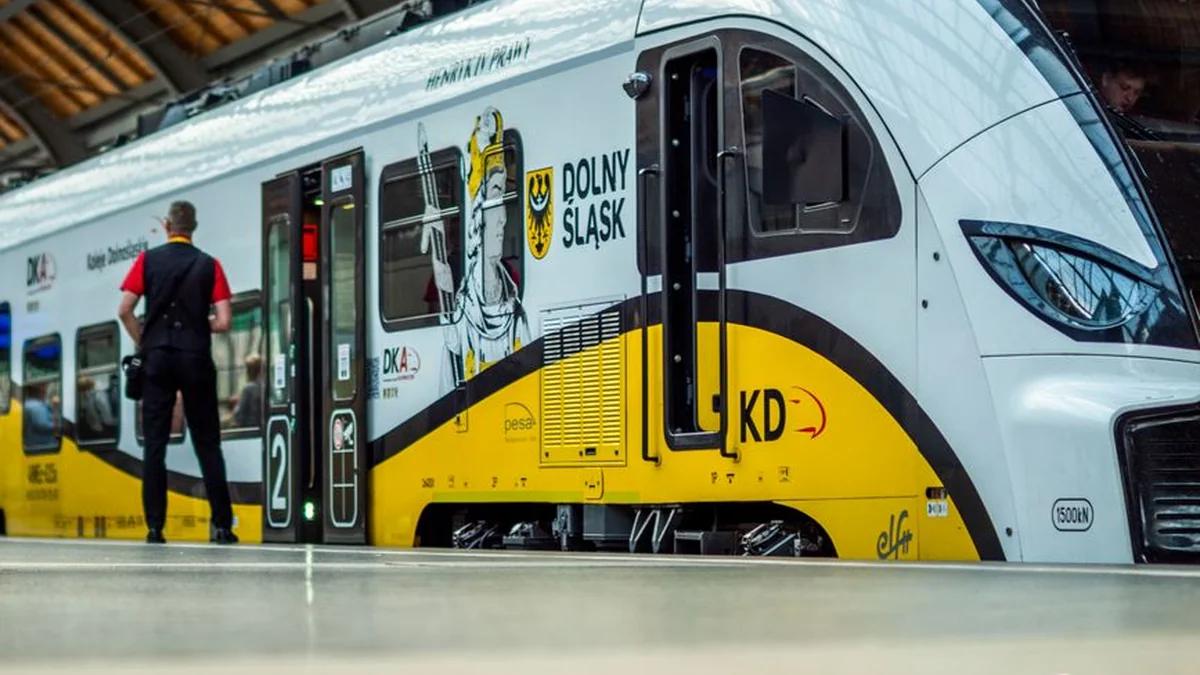
While high-speed trains currently operate in Poland at speeds between 120 and 160 km/h, the context implies that the infrastructure under discussion is capable of significantly higher speeds, potentially exceeding 200 km/h. The debate centers on whether the ambitious projections for future passenger numbers are based on realistic passenger counts or on an inflated calculation of total journeys. The differing interpretations of whether the data represents passengers or trips, coupled with the varying discussions of optimal operational speed, form the crux of the current debate surrounding the Rail Baltica project’s scope and projected passenger demand within Poland.
Topics: #passengers #speed #poland
This report raises serious questions about the initial planning estimates for Rail Baltica.