




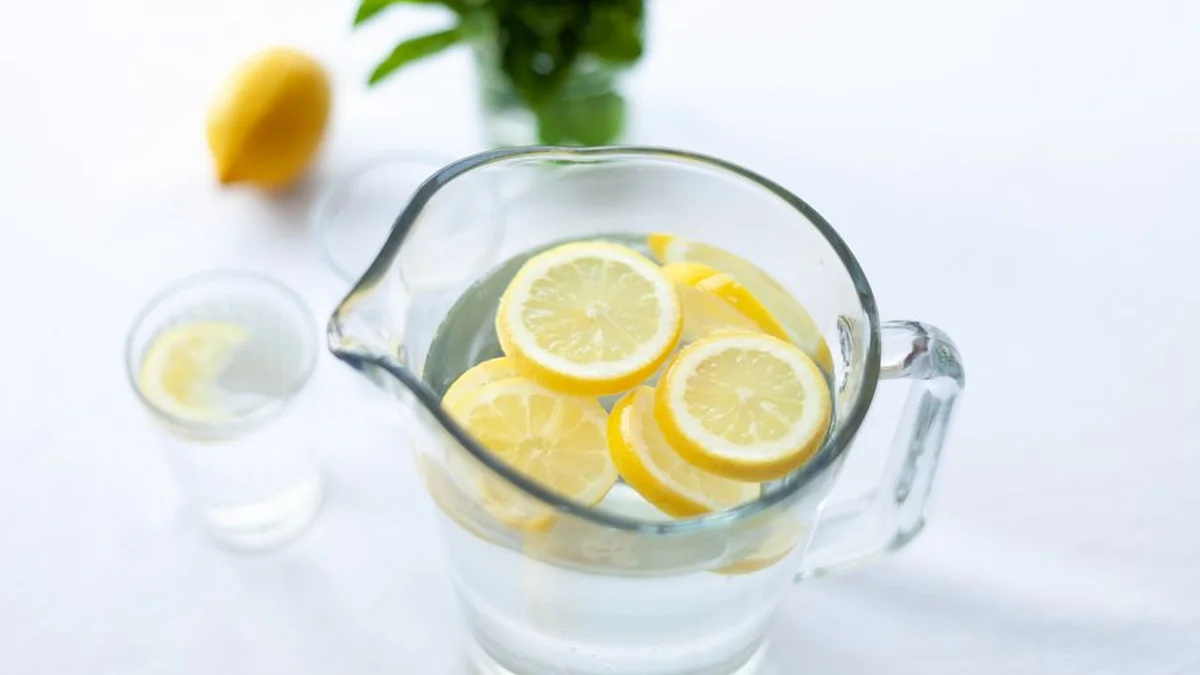
A common recommendation for ensuring the safety of fresh produce involves soaking fruits in a solution of lemon and water to detect chemical residues. However, experts have cautioned against relying on this method for detecting pesticide contamination. The discussion centers on whether soaking fruits, such as cherries, in lemon water is an effective way to identify the presence of pesticides.
While some sources suggest that produce from certain regions, such as Spain, may have higher levels of these residues, experts indicate that the variation between different geographical sources is not substantial. The advice to use a simple lemon water soak was promoted by the founder of the company and catering company Lido, Gunārs Ķirsons, who suggested this household remedy for consumers concerned about chemical exposure in their food. Despite this popular recommendation, scientific experts have refuted the efficacy of this procedure.
They clarify that the presence of pesticide residues cannot be reliably detected through soaking produce in a simple lemon water solution. For accurate testing of chemical residues on fruits and vegetables, specialized laboratory testing methods are required, as home remedies do not provide conclusive evidence of contamination levels. Consumers are advised to rely on established food safety guidelines rather than anecdotal cleaning methods when assessing the safety of their produce.
Topics: #pesticides #lemon #water