



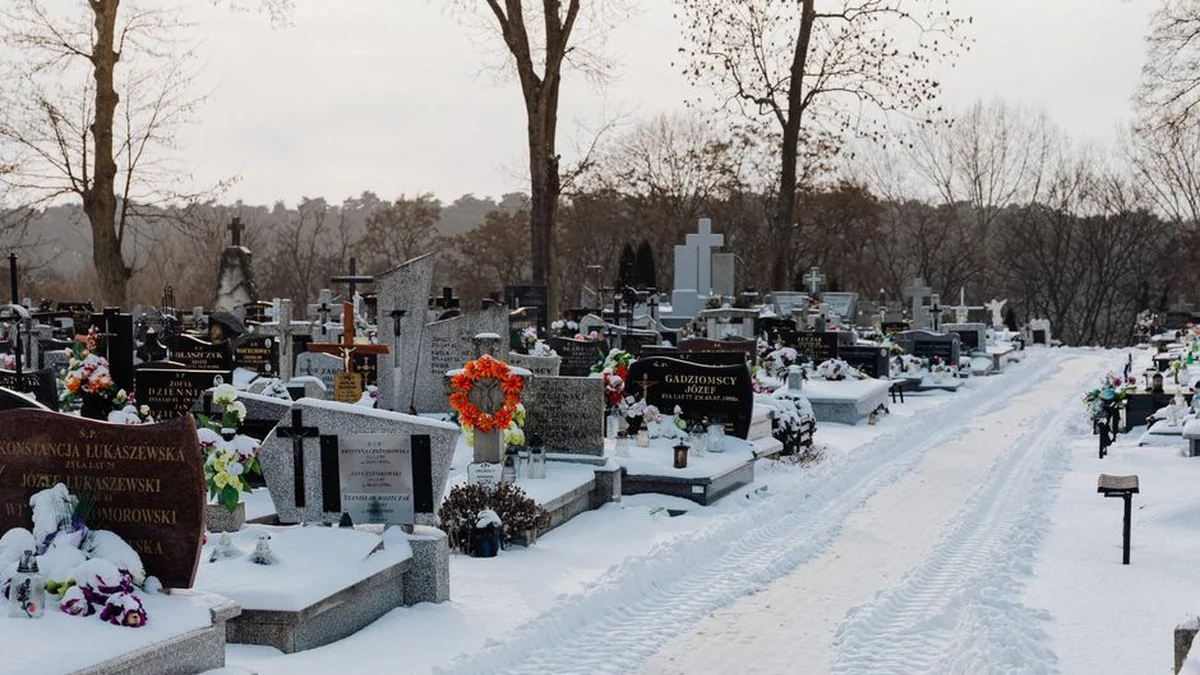
From a distance, the Great Cemetery in Riga can present an appearance resembling a wooded area. Upon closer inspection, however, the network of intersecting paths traversing the grassy grounds reveals its function as a structured park environment. Entering the grounds, visitors encounter a rich tapestry of historical markers, including tombstones, architectural chapels, and commemorative plaques spanning various eras.
This complex setting defines the Great Cemetery in Riga as more than simply a burial ground; it functions as a multifaceted historical and cultural landscape. The site represents a significant repository of Riga’s architectural and social history. Its layout, characterized by meandering paths through open green spaces, allows for an immersive exploration of the past.
The diversity of the visible memorials provides insight into the community that has resided in the region over time. Navigating this expansive cemetery reveals layers of history, from monumental structures to smaller, intimate markers. The preservation of these varied elements—the grand chapels, the weathered gravestones, and the inscribed plaques—makes the entire area a compelling study in urban archaeology and memorial art.
The Great Cemetery in Riga thus serves not only as a resting place but also as an open-air museum detailing the cultural evolution of the city. It remains a key destination for those interested in understanding the confluence of natural beauty, architectural history, and remembrance within the heart of Riga.
Topics: #cemetery #great #riga